The Psychology of Packaging Design: How Packaging Influences Consumer Behavior
September 17, 2025
When deciding what kind of packaging to use for your product, you probably give a lot of thought to how much it costs, how well it protects your product and how easy it is to store in your warehouse. These are all important considerations. But they overlook one key factor, which is how packaging influences consumer behavior. In this article, you’ll learn about the psychology of packaging design and how various elements can help to impact buying decisions.
What is Consumer Psychology?
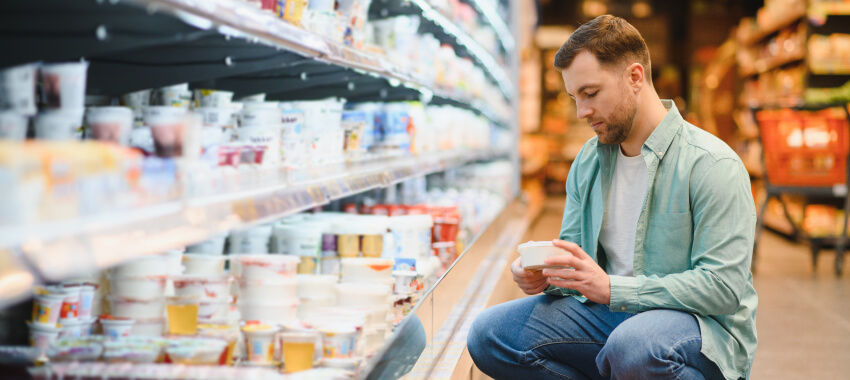
Consumer psychology explores how people think, feel and behave when they buy, use or discard products and services. Every time a consumer purchases a product, they’re making a decision. Many factors can influence purchase decisions, including individual feelings, beliefs and perceptions, as well as external factors such as advertising, marketing and social persuasion.
The study of consumer psychology aims to answer questions about consumer behavior, such as what makes shoppers choose one brand or product over another, the importance of environmental factors including media and culture and what can be done to earn their loyalty. Marketers use this information to try and motivate consumers to purchase one product rather than another, or switch to their brand.
For example, when a consumer decides to purchase a sandwich from Subway, it could be because they:
- Had a coupon and wanted to save money
- Saw an ad for Subway that morning so it was top of mind
- Are trying to lose weight and it seemed like a healthy option
- Trust Subway as a brand and are a long-time, repeat customer
- Are starving and Subway was the closest (or only) option
- Saw the Subway sign and were reminded of their childhood
Or it could be any combination of factors. Understanding everything that can motivate consumer behavior helps brands connect with consumers on an emotional level and influence their purchasing decisions.
How Does Packaging Design Influence Consumer Behavior?
As the first point of contact customers have with your brand and product, packaging plays a critical role in influencing customer behavior. In fact, 72% of American consumers say packaging design influences their purchasing decisions. Beyond protecting your product on the shelf and during shipment, influencing consumer behavior might be the most important thing your packaging does. Let’s look at some of the ways packaging shapes consumer perception.
Brand Perception
Fact: Consumers purchase from brands they trust. It’s fundamental to every customer relationship and purchase decision, no matter what the product is. To earn consumer trust, start by establishing a strong brand identity based on your core values. Then, be transparent about your product and practices, and deliver on your brand promise.
The factors impacting trust vary depending on what you’re selling. For example, when buying beauty products, customers want to know that they’ve been clinically tested, use safe ingredients and will provide specific benefits. If you’re advertising ethically sourced, wild-caught salmon, they want to know that’s actually what they’re buying. For electronics, consumers care that products are reliable and up-to-speed with the latest innovations.
Packaging design plays a key role in establishing brand identity and instilling consumer trust and confidence in what you’re selling. All kinds of design elements, from shape and size to color and imagery, combine to create an image of your brand and product. Give careful thought to every aspect of your packaging as well as the combined effect, which directly impacts brand perception.
First Impressions
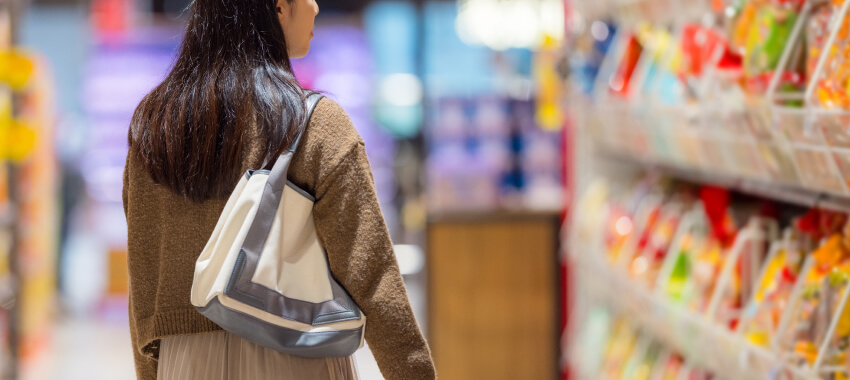
No matter what you’re selling, today’s market is tough. Consumers have lots of choice, both online and on the shelf, which means brands face steep competition. Packaging design can help you make sure your product stands out by making a good first impression.
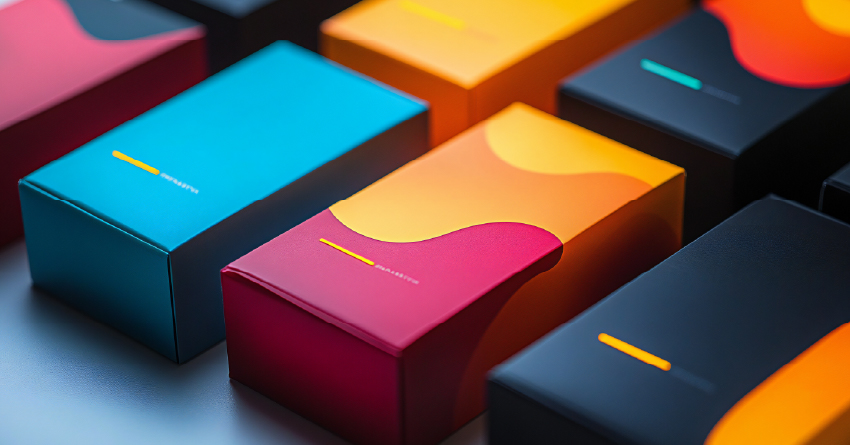
Using bold colors and graphics helps to capture the attention of passing shoppers. To hold that attention, packaging also needs to clearly and succinctly tell them what you’re selling and why it’s better than the product next to it.
You don’t have long to make a first impression with new customers, but with the right packaging design you can really make it count and motivate browsers to become buyers. To build up trust, tell your brand story, too, and show them why they should believe in your product.
Emotional Connection
Every purchase starts with an emotional connection, and packaging can be designed to evoke specific emotions. How you want to make consumers feel depends on the product. For example, if you’re selling bath salts, candles or yoga gear, you want to make buyers feel calm, peaceful and relaxed. If you’re selling party decorations, they should make people feel happy. Sports gear should be motivating, healthfoods should be reassuring and so on.
To evoke the right mix of emotions for your unique product, start by learning more about how various design elements make people feel — such as color, shape and size. Even the materials you use can spark an emotional reaction.
Perceived Value
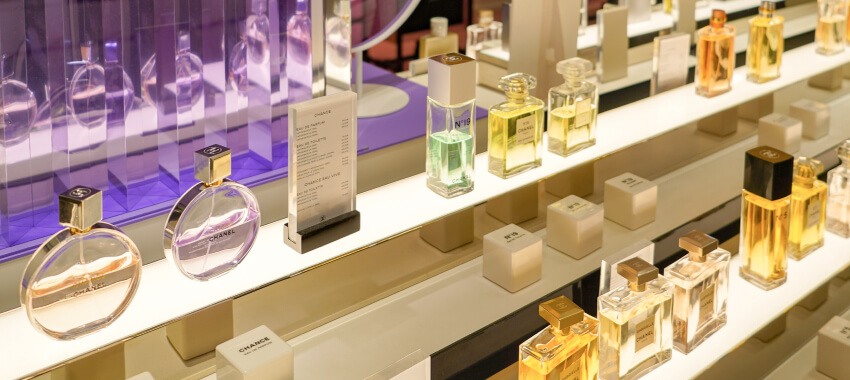
Another important way packaging influences consumer behavior is through the perceived value it can telegraph. For high-end products, sleek, minimalist packaging can create a luxury feel that makes buyers happy to pay more because they believe they’re getting their money’s worth. On the other hand, if you’re trying to reach lower income shoppers, this kind of packaging might have the opposite effect. If consumers get the impression your product is out of their price range, they might not even consider it. Think about how you want to position your product in the market, and then align your packaging to similar products to reach the right audience.
8 Influential Elements of Packaging Design
Next let’s look at the top packaging elements you can use to influence consumer behavior in your favor, and how they work together to shape brand perception.
- Color
- Imagery
- Shape
- Size
- Materials
- Typography
- Messaging
- Functionality
1. Color
Visual appearance may be the most important factor in influencing consumer behavior. And with most people forming opinions about a product within a matter of seconds, color is arguably the most important visual factor. That’s why marketers have studied the link between various colors and the emotions they evoke.
Here are some commonly used colors and the emotions they evoke:
- Red promotes appetite, which is why it’s so widely used by food and beverage brands. (Think: Coca-Cola and McDonalds, just for starters.) It’s also associated with excitement and movement, and does a good job of drawing attention.
- Blue has a calming effect, giving consumers a feeling of tranquility and security. Conservative brands tend to favor blue and it’s also associated with the male gender, so can be a good hook if men are your target audience.
- Green suggests sustainability and connection to the Earth, creating a sense of health and harmony. It can also be linked to wealth and money.
- Purple is perceived as the color of royalty and wisdom, while orange stimulates cheerfulness and optimism.
- Black suggests power and authority, and is sometimes used to make products look smaller. It can also lend a high-end feel to packaging, but too much might be overpowering.
- White tends to evoke feelings of purity, which is why it’s frequently used for beauty products, and a sense of luxury — perhaps best embodied in Apple’s minimalist packaging designs.
- While grey can symbolize practicality, it’s also associated with depression and old age, so might not be the best choice for packaging.
2. Imagery
How packaging looks plays a huge role in shaping customer perception. Before customers have time to read anything, their brain forms an idea based on the featured imagery. Design your product packaging to create an instant impression that encapsulates your brand. Think about the qualities you want to highlight and use related imagery to convey that idea. For example, food products might focus on quality and freshness while eco-cleaning products could highlight sustainability and affordability. Imagery should align with your overall brand presence, to reinforce consistency and trustworthiness.
3. Shape
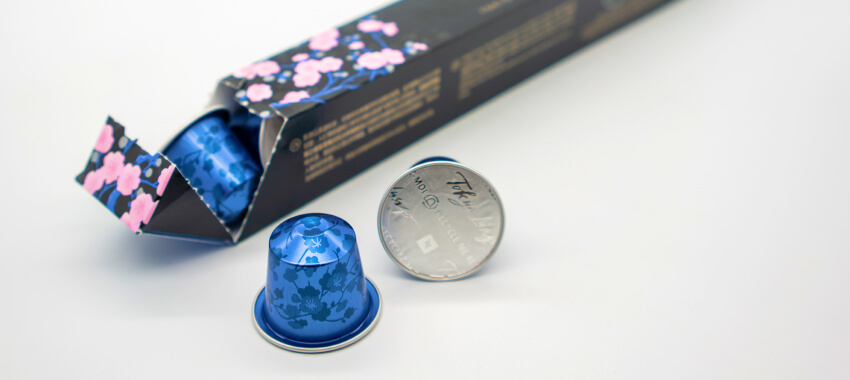
A package’s shape can have a surprising impact on customer perception. A unique shape can make your product stand out from the competition, especially if it’s being sold in retail stores. Different shapes also help to show your brand personality. For example, geometric shapes with hard angles give off a feeling of strength and durability while softer, rounded shapes evoke comfort and relaxation. Sharper shapes feel more modern, flowing shapes feel more natural. Whatever image you’re trying to create, choose a packaging shape that feels in tune. It should also match your brand logo and imagery, because it all works together to shape consumer perception.
4. Size
While package size is primarily determined by product size, it does influence how consumers feel about what’s inside. Smaller packages tend to feel more premium, so if you’re targeting a higher price-point it makes sense to aim small. One study found that smaller sized packaging gives the perception of a higher per-unit value, even if the price is actually lower. Conversely, larger packaging gives the perception of better value (think: Costco). So, if your target audience is the bargain or bulk shopper, bigger packaging will help shape the right perception.
5. Materials
Which materials you use in your product packaging can also influence consumer behavior. A recent IPSOS survey found that two-thirds of US consumers (67%) say that paper or cardboard packaging makes a product more attractive, and 62% say it makes products appear higher quality. Roughly half (49%) of respondents say they’d be willing to pay more for products packaged in paper or cardboard. And 71% of buyers say they’re more likely to buy brands that package their products in paper or cardboard, primarily because they’re better for the environment.
Cardboard and paper packaging also makes for more cost-effective shipping, plus it’s easy to open and easy to recycle. Plastic, especially single-use, has been falling out of favor in recent years due to its environmental impact. Some higher-end products might use heavier materials such as glass, wood, or leather to achieve a luxury feel. However, these materials are generally more expensive and heavier, adding to shipping costs as well as materials costs. Plus, only glass is easily recyclable. If green-thinking is part of your brand values, cardboard is your best bet.
6. Typography
Font and lettering styles add to overall perceptions about your brand and product the same way that imagery and colors do. Typography conveys your brand personality and core values. If your brand is innovative and forward-thinking, opt for a font that feels modern and bold. Classic fonts can create a sense of tradition and elegance, while rounder fonts suggest warmth and friendliness. If you’re aiming for nostalgia, opt for retro lettering styles such as those used in the seventies, eighties or nineties.
No matter which style you land on, make sure your typography is clear and legible. If it’s too stylized, it might be hard to read, which makes messaging and information difficult to read and understand. Remember, you only have a few seconds to convey your message, so clarity counts.
7. Messaging
After hooking potential buyers with the visual packaging design elements we’ve already discussed, the next thing they connect with is your messaging. Depending on the size and shape of your package, you might have a lot of room to communicate important information about your product, as well as your brand values, or you may only have a small space.
So, think about the most important messages you want to convey and make sure those are clear, succinct and strong. Product information could include things like nutritional value for food products or key features for electronics. Messaging also helps to reinforce your brand’s identity and value. Consistency is key and will help build recognition and loyalty.
8. Functionality
In today’s world, consumers are always on the lookout for ease and convenience. For packaging, that means it should be easy to grab, store and open. This is especially true for food products, which often feature functions like resealable closures or individual wrapping for frozen items.
For eCommerce companies, the unboxing experience is crucial to building brand image because when a customer receives their purchase in the mail, that’s their first interaction with your brand. The unboxing experience should reflect your brand, conveying feelings of luxury, ease or sustainability, depending on what you’re all about.
The Challenges of Packaging Design and Consumer Perception
With so many factors shaping consumer perception, how do you design packaging that does everything you need it to? Start by deciding what’s most important for your product and your brand. If your product is fragile, requires environmental factors such as cold chain solutions or is oddly shaped, you probably want to start with functionality (i.e., protection) and work from there. If it’s small and light but faces stiff competition on the shelf, starting with an eye-catching visual design that makes it pop on the shelf.
Common challenges to keep in mind when designing your packaging include being aware of cultural differences that might impact how consumers perceive your product/brand, avoiding packaging that’s deceptive or misleading, and ensuring packaging is easy to open. If the contents are risky or dangerous, for example, cleaning products containing bleach, that should be clearly labeled on your packaging, too. At the end of the day, you know your product, your brand and your customers best. The goal should be to strike a balance between visual appeal, functionality and emotional connection.
How Ernest Can Help Businesses Influence Consumer Perceptions with Packaging Design Solutions
We’ve been serving clients spanning a huge range of industries for over 75 years. In that time, we’ve pretty much seen it all — from cardboard snowboards to drone delivery. If you’re looking to design a packaging solution that attracts consumer attention, communicates brand value and increases conversions, our team of packaging pioneers is ready to help.
Our design experts, engineering enthusiasts and solutions specialists live and breathe packaging every day, and we won’t rest until we strike the perfect balance for your brand and product. Let’s talk about creating a custom packaging solution to shape consumer perceptions in your favor.