4 Common Packaging Mistakes to Avoid
December 16, 2025

So, you’ve graduated from packaging your product in your garage to needing a large-scale operation to keep up with demand. Congrats! Now what? It may be time to rethink your packaging strategy and production process. This is a big time and resource investment, but Ernest Packaging Solutions is here to help.
Over our 70 years in business, we’ve helped companies of all sizes grow because we’ve managed to keep our entrepreneurial spirit. And through partnering with customers large and small, we’ve learned a thing or two about what makes successful solutions work.
To help you on your journey, we’ve put together this short list of common packaging mistakes. Lucky for you, we have solutions for all of them.
1. Not Understanding the Customer Experience
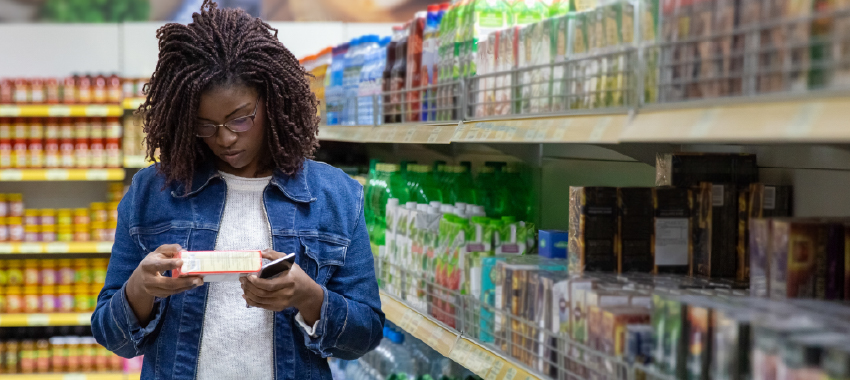
How much thought have you given to the role your packaging plays in influencing the customer experience? It’s often the first point of actual contact buyers have with your brand or product. So, it’s important to be intentional about how this interaction will play out and what kind of impression it will make, especially on new or potential customers.
To really make an impact, you have to understand who your customers are and what’s important to them. Audience research can help you get a better feel for what your customers want, need and expect from your brand, product and packaging. Focus groups are a good way to gather insights from a broader group of consumers about their packaging preferences and what resonates. If that’s beyond your scope, present a quick post-purchase survey on your website or app to gather feedback.
Research can also help with identifying your target market — who’s buying your product? How old are they? What values do they share? What’s their average income and education level? Understanding these traits will help you create ideal customer profiles, which you can use to make sure your packaging meets their expectations and creates a positive customer experience. The more you know, the better you can deliver.
2. Over or Under Packaging
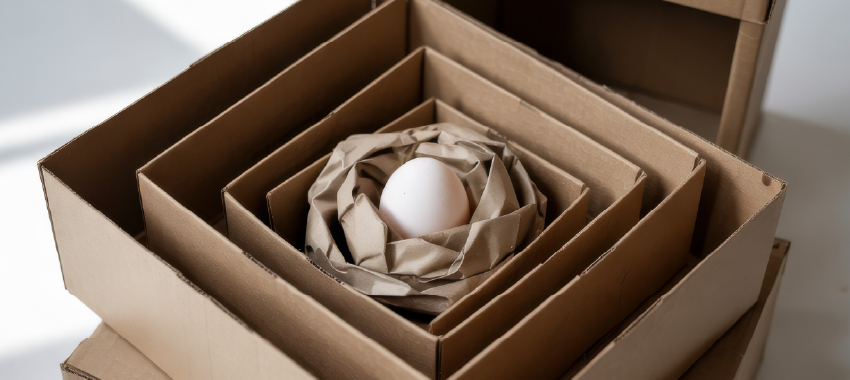
Finding the right-fit packaging for your product isn’t always easy, especially if you’re opting for off-the-shelf solutions. Too much packaging can appear wasteful, damaging your brand reputation. And too little packaging may result in damage to your actual product, which isn’t good for customer perception either. Like Goldilocks, you need to find the solution that’s just right.
For example, shipping things like electronics, glass jars and bottles, or anything fragile without adequate padding, or using a too-big box, is likely to result in breakage. A single layer of bubble wrap around a heavy vase is probably not going to keep it from cracking if the box gets dropped. On the other end of the spectrum, too much packaging is also not a good look. Sending a small item in a large box with tons of paper, packing peanuts or air pillows. Putting a box inside another box. Excessive use of padding, too many layers of plastic, and individually wrapping items within another package are all common examples of bad packaging.
To avoid this packaging mistake and get in the Goldilocks zone, experiment with different solutions. Try various size and shape boxes, mailers or other containers to see which one is the right size, meaning you don’t have to jam your product in there but it also doesn’t leave too much empty space. Then do the same with additional padding or other protective materials, as needed.

3. Not Controlling Your Brand
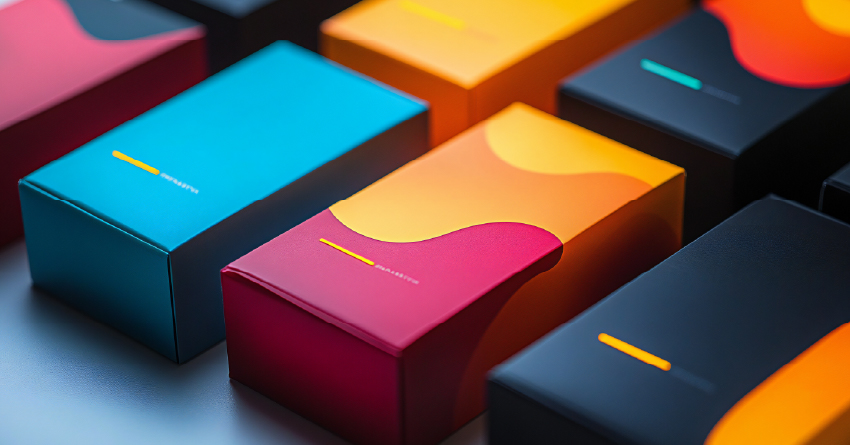
In addition to getting products safely from point A to point B, packaging also represents your brand. It’s a powerful marketing tool that plays an important role in brand recognition and customer experience — but you have to be strategic about your design.
When creating a packaging solution, make sure it’s visually consistent with your brand presence online and elsewhere. Using the same fonts, color palette, logo and taglines help to build consistency, making your brand more recognizable to consumers. If possible, incorporate your brand story and values, either with copy (if you have space) or, for example, by using recycled materials if sustainability is a core value. This will also help to bolster your image.
Don’t forget to think about how your packaging will shape the customer experience, too. If you’re shipping products, you want the package to arrive undamaged and in good shape, so it doesn’t look cheap and flimsy. Make sure it’s sturdy enough to stay closed during shipment but easy enough for the consumer to open that it won’t cause frustration. If your product is on the shelf in stores, it should stand out from the competition and create a good first impression, fast.
4. Not Knowing the Options
Packaging has come a long way since the basic brown box. You can easily find an off-the-shelf solution, but it’s not going to add much value for your brand. When it comes to solving packaging challenges and knowing what’s possible in the world of packaging solutions, experience matters. (Just ask our founder, Mr. Wilson, who’s been in the business since 1946.)
At Ernest, we’ve helped clients across pretty much every industry solve all kinds of packaging challenges, from
cold chain and temperature control needs, to sustainable and consumer-branded packaging design, and everything in between. Here are just a few examples of packaging solutions we’ve created for clients to meet their unique needs, goals and budgets.
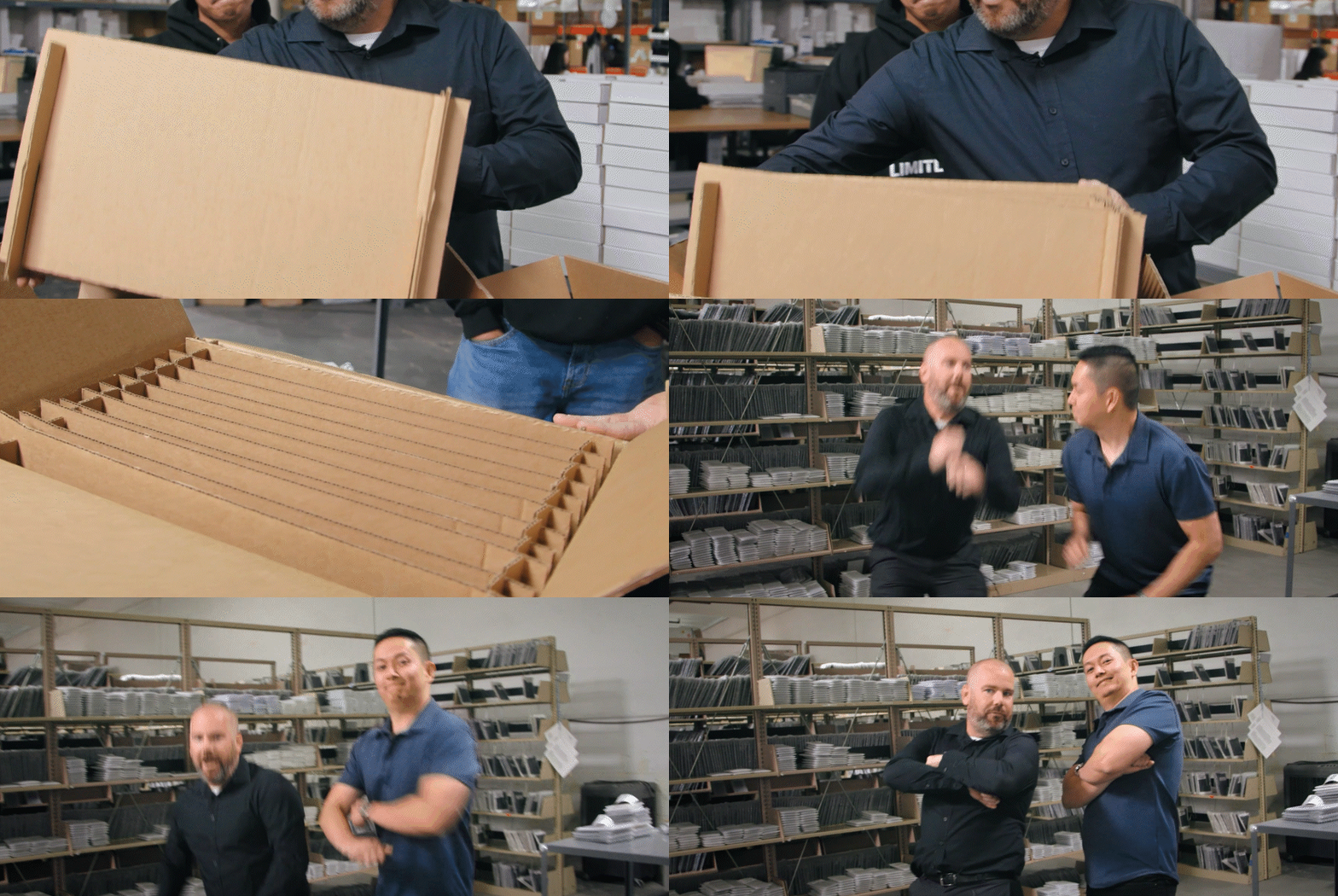
- Limitless USA: We helped this refurbished electronics leader streamline their packaging solution and processes, saving significant time and money without compromising quality.
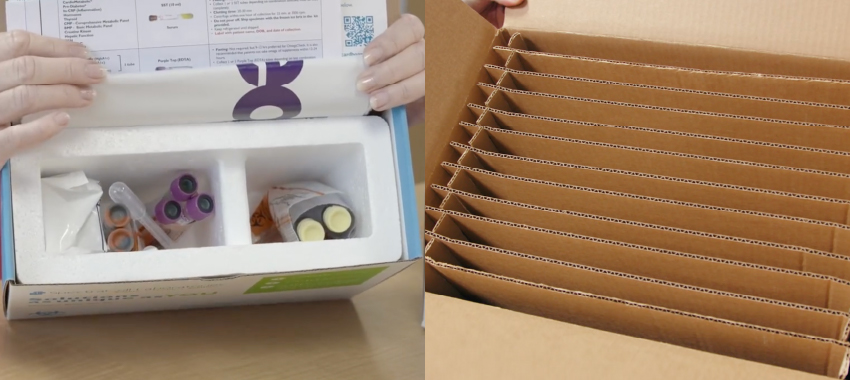
- SpectraCell: For this wellness pioneer, keeping blood samples cool during shipment is mission critical. Ernest’s cold chain specialists came up with a new packaging solution that’s temperature controlled, custom branded and built to prevent breakage.
- Chef Shamy: When demand for their gourmet butters outgrew their operation, Ernest helped this mom-and-pop company double their production-line capacity and take their business to the next level.
- No Toil Industries: After pivoting their unique filter design from motorcycles to HVAC systems, this NoCal company needed a packaging solution that met Amazon’s eco-friendly requirements. Ernest came to the rescue.
Get On Board with Ernest
An easy way to avoid packaging mistakes and bad packaging is to work with a partner who knows how to help you grow your business – and who’s fun to work with too. After all, we love what we do and it shines through in our people and our work.
At Ernest, we’ve got experts in every aspect of packaging, including design and production, process automation, supply chain management and more. Let’s talk about how you can avoid these common packaging pitfalls and scale your packaging processes for the future.