Supply Chain Automation: Examples, Benefits, and Challenges
November 25, 2025

With the use of AI and automation on the rise everywhere, supply chain management is evolving rapidly. If you’re looking to increase operational efficiency by implementing supply chain automation, but not sure where to start, we’ve got you covered.
In this article, we’re sharing examples of supply chain automation, including where and how you can use it throughout the warehouse supply chain. We’ll also look at the many business benefits that the right kind of automation can offer and common challenges to keep in mind.
What is Supply Chain Automation?
Let’s start with the basics. Supply chain automation is the use of modern, digital technologies including AI, machine learning, digital process automation and robotic process automation, to streamline supply chain processes and improve operational efficiencies.
In recent years, the technologies that can automate traditionally manual processes have come a long way, enabling businesses to accelerate and simplify both administrative tasks and manufacturing processes. Low-code automation software and modern apps deliver agility and visibility across the entire supply chain, supporting a more modern way of working. Supply chain automation enables seamless workflows, real-time insights and significant reduction of operational costs and risks.
Examples of Supply Chain Automation
So, which processes within your supply chain are ripe for automation? That depends on your setup and goals. Here are some common applications to consider.
Warehouse Automation
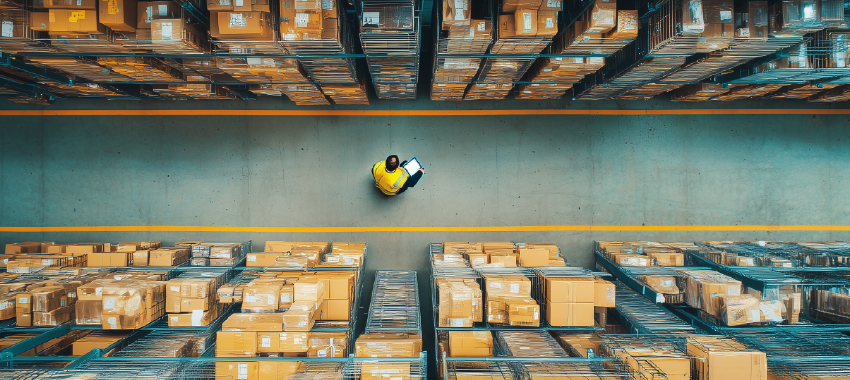
Various steps within warehouse operations can be automated using robotics, software and other automated systems in place of manual processes. For example, automatic storage and retrieval systems can be used to manage large volumes of inventory within a warehouse. These computer-controlled systems can move stock around and retrieve it as needed to fulfill orders, reducing the manual labor required to keep up while also optimizing storage space.
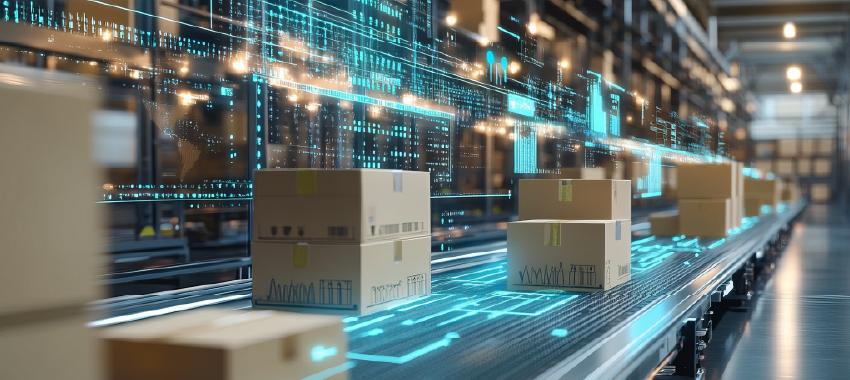
Conveyor systems can also move products and other items around the warehouse hands-free, and robotic systems can perform simple, repetitive tasks like picking orders and packing items for shipment. This reduces the likelihood of human error while kicking fulfillment speeds up a notch.
Inventory Management
Manual inventory management involves a lot of spreadsheets, paperwork and hand counting, all of which is highly time-consuming — not to mention error prone. Just one wrong number can create a ripple effect that impacts your entire supply chain, throwing off and slowing down your whole operation.
Cloud-based software helps to streamline and simplify overall warehouse operations, including inventory management, by connecting various parts of your supply chain and updating data in real time so you have a better picture of what’s happening.
Inventory management software automatically tracks how much product you have in the warehouse and can trigger automatic re-orders when your stock of various items reaches a preset threshold. Automatic inventory management is especially helpful for businesses with multiple warehouses or locations, which makes manual inventory tracking even more challenging.
Logistics Automation
Lots of steps go into receiving, processing and fulfilling every order, and many of these can be automated — starting with customer communications. AI-powered chatbots, automated email responses and self-service portals can manage the bulk of customer inquiries, freeing skilled agents up to focus on the most important cases and issues.
For inbound and outbound shipments, GPS enabled trackers can automatically transmit vehicle or product location and progress, enabling more precise and accurate planning. Some companies are even looking to automate product transportation and delivery, using technology such as self-driving vehicles and delivery drones.
Back Office Automation
The administrative tasks that keep your warehouse running smoothly can also be super time-consuming and tedious. And when those tasks are paper-based, there’s a good chance even your best people will make a mistake somewhere along the way. Human error, even seemingly small ones, can have a big impact on supply chain operations. Modern AI-powered software that’s cloud-based and connected to multiple systems can help by replacing manual work with automated workflows.
For example, enterprise resource planning (ERP) software can automatically pull purchase order data into inventory management, order fulfillment and accounting systems, so that you get an accurate, up-to-date view of your whole operation. Customer relationship management (CRM) software automatically creates invoices and processes payments, saving time and preventing costly mistakes. And supply chain analytics software can provide real-time insights across the entire supply chain, allowing you to plan and execute operations more accurately and respond faster when a disruption occurs, minimizing the fallout and preventing bottlenecks.
Benefits of Automation in Chain Supply
Supply chain automation offers many bottom-line business benefits. Let’s look at the top reasons to consider modernizing your supply chain with automation.
Improved Efficiencies
Automating key processes across the supply chain can significantly reduce the time and effort that employees are spending on manual tasks of all kinds — data entry, order processing, customer communications and so on. By automating these tasks, you can not only achieve serious time- and cost-savings, but also relieve your people from what’s often repetitive, tedious work, giving them more time and energy to focus on work that’s more meaningful, valuable and growth-oriented.
Reduction of Human Errors
If you’re still relying on outdated systems and processes, including but not limited to spreadsheets, PDFs and manual data entry of any kind, the risk of human error throwing a wrench in your operations is pretty major. With intelligent software, many manual processes can be completed automatically, reducing the chance of error while improving accuracy and outcomes.
Connected apps and systems further enhance operations — for example, if your order processing software automatically connects to and updates your financial management software, you get a more reliable view of your overall financial situation without having to wait for your team to get the work done or worry about mistakes.
Increased Customer Satisfaction
Supply chain automation can improve the overall customer experience, boosting satisfaction and building brand loyalty. Automation reduces mistakes with order processing, which can lead to costly returns and customer frustration. Automated fulfillment can also speed up the time it takes for an order to be processed and delivered. And with self-service options on your website or mobile app, customers can get instant answers and help with issues that would otherwise leave them feeling unhappy.
By enhancing the customer experience, automation helps to improve brand value and recognition, driving long-term loyalty and customer retention. It all adds up to bottom-line benefit for your business.
Improved Supply Chain Visibility
Manual processes are slow. This includes data entry, communicating with suppliers and tracking inventory, orders and shipments. The lag between when things happen and when you know about them can slow down your operation, leading to potentially damaging disruptions and bottlenecks. By replacing manual work with automated workflows, you can gain real-time visibility across the entire supply chain that allows you to anticipate issues and take immediate action when something goes wrong—or even before.
Supply Chain Automation Challenges
Despite the many benefits of supply chain automation, it can also bring some limitations and challenges. Let’s look at those next.
Investment Costs
Automating parts of your supply chain requires investment in new technology, equipment and/or machinery. While the long-term ROI of well thought-out and carefully implemented automation makes it a strategic use of your capital, the immediate upfront costs can be substantial, even prohibitive. In addition to purchasing automation software or machinery, you also have to train your team on how to use these new tools, which adds to the time and cost required.
Job Displacement
While we often talk about using automation to manage mundane, repetitive tasks, the truth is that replacing manual work means you’re replacing people, and taking away their jobs. This affects both administrative, back-office roles and warehouse workers. For example, if you implement AI-powered software that automatically processes orders and robots to pick and pack those orders, you’ve replaced the majority of your fulfillment team. The fallout doesn’t just impact individual workers and companies, it can also disrupt entire industries.
Complex, Changing Regulations
Supply chains are subject to a wide range of regulatory requirements, with different laws affecting different markets, industries and use cases. In today’s fast-moving world, regulations and standards change all the time — and keeping up with them can be a major challenge. Failure to comply can lead to costly fines and even an inability to do business in certain areas.
Regulations designed to oversee the use of automation in supply chains tend to focus on data privacy and transparency, cybersecurity and ethical considerations (such as AI hallucinations and biases) requiring human oversight. To mitigate risk, all of these must be closely monitored and adhered to.
Reliance on Technology
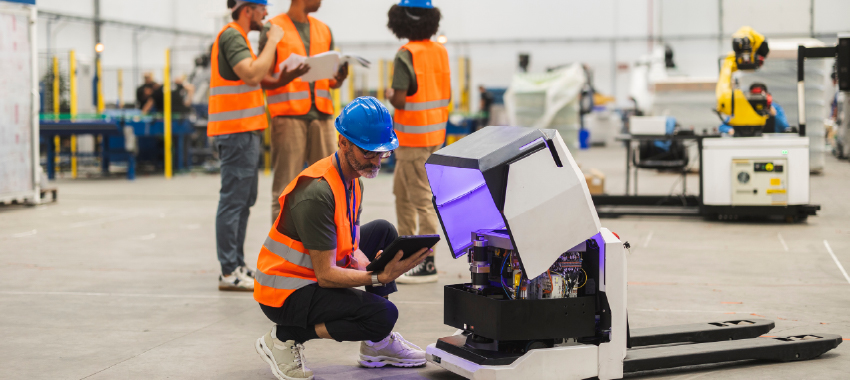
The many benefits of supply chain automation start with technology, but that same technology can also be an operational hindrance. If you’re reliant on technology to keep your supply chain up and running, your operation can grind to a halt when something goes wrong. Issues with equipment or software can quickly slow down processes or stop them altogether. In a connected supply chain, if one system shuts down, all the others will be impacted, too.
Other risks to keep in mind include data breaches and cybersecurity threats, which are increasingly common and sophisticated in our digital world. It’s important to weigh the potential risks of any process change and take steps to prevent negative impacts.

How Ernest Can Help with Supply Chain Automation Solutions
At Ernest, we love finding innovative ways to help our clients streamline their operations and boost their bottom lines. In fact, we have a team of automation specialists who can come into your warehouse, review your packaging processes and make recommendations about where and how you can make things better using automation. We also offer supply chain management services, including our Ernest Managed Inventory and our Just-In-Time inventory management, which includes storage and delivery.
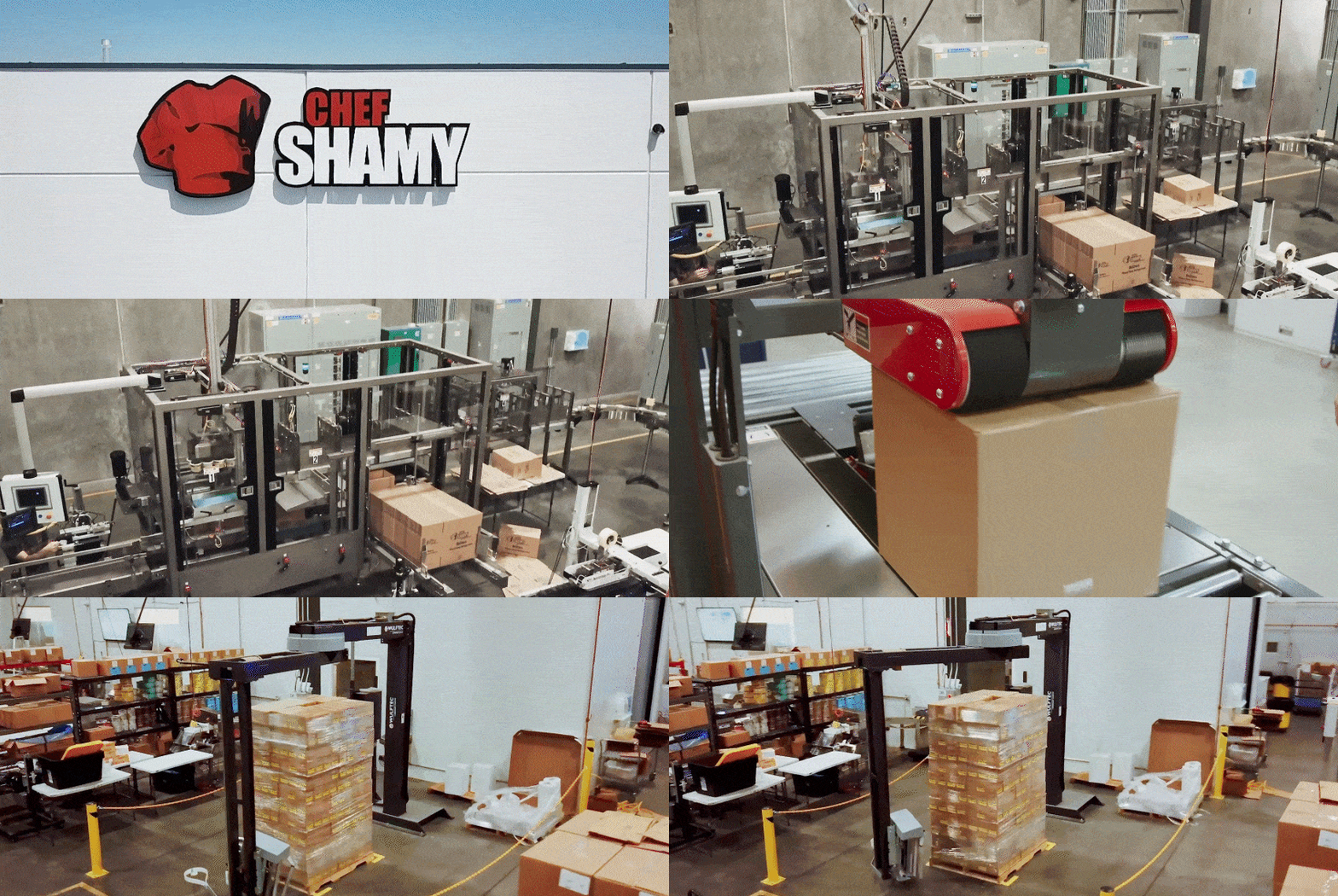
To learn more about warehouse supply chain automation, take a look at what we’ve done for clients like Westcott Designs, Limitless USA and Chef Shamy. Then, drop us a line so we can talk about your supply chain needs and opportunities. We’d love to put our expertise into action for your operation.