Food Packaging Trends: Staying Ahead of the Curve
August 21, 2025
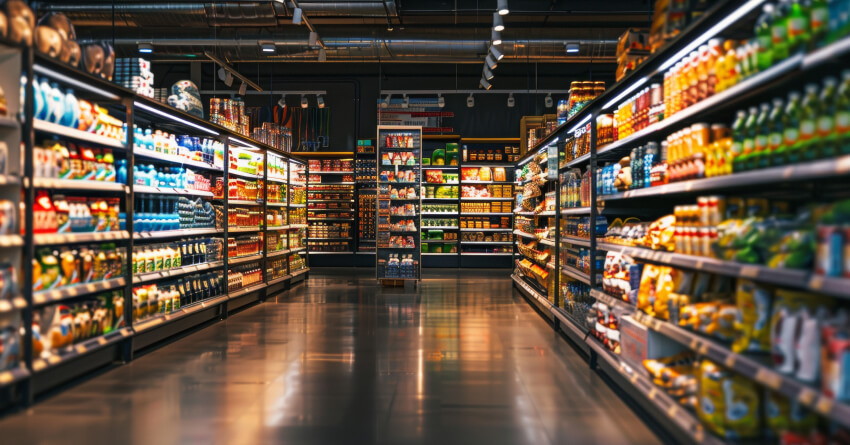
Consumer tastes change all the time, especially when it comes to food and beverage products. For savvy brands, that means your packaging has to evolve to keep pace, too. To help you stay ahead of the curve, let’s explore the latest food packaging trends shaping what’s on the shelf today.
Food and Beverage Packaging Technology, Trends and Applications
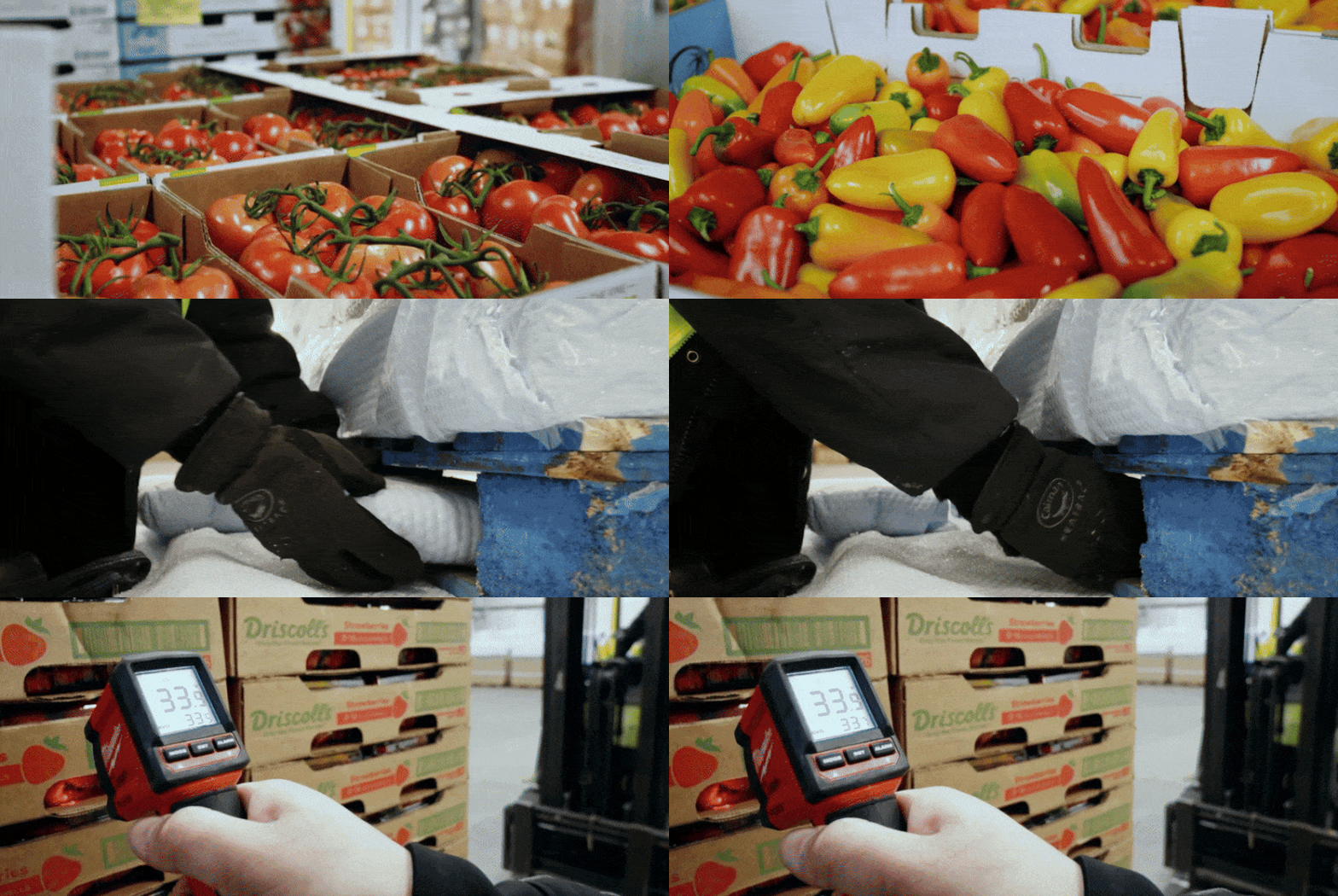
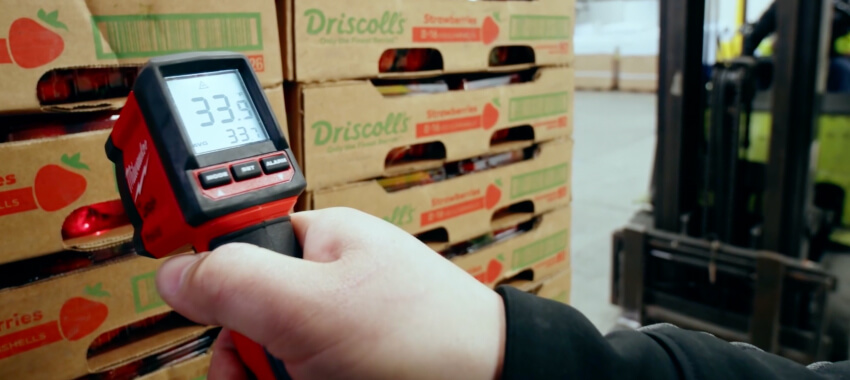
Over the last several decades, food and beverage packaging technology has come a long way, leading to significant improvements in food safety and freshness. Packaging innovations such as, moisture- or temperature-control packaging and cold chain solutions protect food during shipment to prevent spoilage and extend shelf-life, making it possible to ship product to new markets. Maintaining the integrity and freshness of food and beverages also increases consumer satisfaction, giving brands a bottom-line boost.
Packaging design for the consumer-packaged food (CPG) industry continues to evolve, keeping pace with consumer preferences and demands. In 2025, the tops trends include an increased focus on sustainability, convenience and even personalization. Let’s dig deeper into the latest food packaging trends and share some tips for real-world application and success.
Sustainability in Food Packaging
Sustainability is not a new food packaging trend, but it continues to gain traction. In fact, the sustainable packaging market was valued at over $270B globally in 2024, with projections estimating it will surpass $490B by 2034. As a type of product and packaging we interact with daily, eco-savvy consumers are always on the lookout for sustainable food packaging options.
So, how can you make food packaging more ? Minimize the amount of materials used, for starters. Or, even better, adopt a zero-waste approach if possible. Avoid single-use plastics and instead opt for materials that are recycled, easily recyclable or biodegradable. Cardboard, glass and aluminum are good choices along with biodegradable corrugated paper and bio-based polymers. Anything you can do to minimize your carbon footprint will also give your brand a boost with today’s eco-minded consumers, nearly two-thirds (59%) of whom are willing to pay more for eco-friendly packaging.
Communicating with Consumers
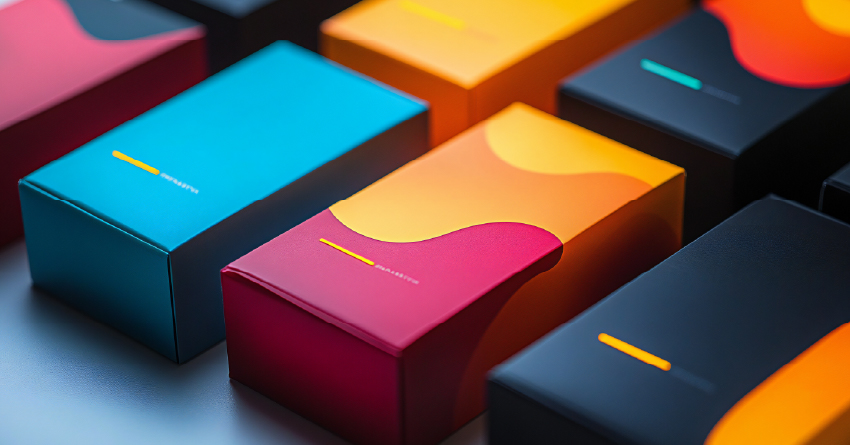
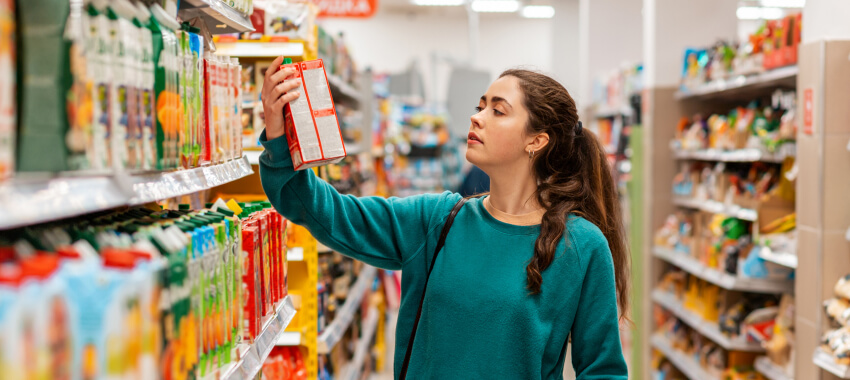
No matter what you’re selling, the customer relationship is all about making an emotional connection. Packaging plays an important role in telling buyers a story, which is how they make that connection that drives sales. Design elements like graphics, imagery, and colors can help to create the right aesthetic for your product. For example, a company that makes all-natural granola may go for earthy colors and images while a snack food aimed at kids will likely do better with vibrant colors and bold design. Rustic packaging might perfectly suit an artisanal cheese brand, while an upscale olive oil maker might opt for packaging that’s simple and sleek.
What’s written on your food packaging also shows shoppers what’s important to you. If you have a unique or compelling brand story, share it. Quirky copy can catch a shopper’s eye on the shelf, as can a catchy product name or tagline. Shoppers today want to know what’s in the food and beverage products they’re buying, so be sure to include nutritional information as well. Highlight anything that makes your product different, such as no GMO or gluten-free ingredients, ethical sourcing practices or local production.
Embracing Minimalism
Minimalist packaging has gained popularity in recent years, with an emphasis on simplicity, minimal use of materials and clean, elegant design. In terms of food packaging trends, the less-is-more approach offers a number of benefits. Minimalist packaging establishes your brand as trustworthy and committed to sustainability, which matters to shoppers today. It can help your product to stand out in a sea of bright, busy food packaging designs. For luxury products, minimalist packaging design lends a premium feel to what’s inside that elevates the customer experience and builds brand value. Consider adopting a minimalist approach if you’re selling high-end products, wish to demonstrate your commitment to sustainability or need to differentiate against the competition when they all look the same.
Direct to Consumer Convenience
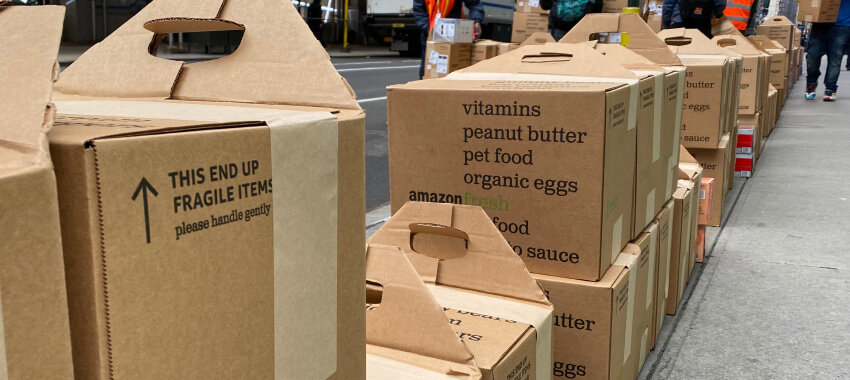
With more consumers shopping online, food packaging trends for e-commerce and direct-to-consumer convenience are also evolving. The pandemic gave this market a big boost. Many shoppers who opted to stay away from grocery stores then are still shopping online for convenience now. Meal kit companies have gained serious traction in recent years, and require unique packaging design and technology to protect ingredients during shipment and delivery.
For direct-to-consumer food packaging, protection and freshness are key ingredients. Packaging needs to prevent damage or spoilage during shipment. Depending on the product, that might require controlling the temperature, preventing breakage from impact and ensuring safety with tamper-evident packaging. At the same time, it’s a good idea to make packaging as eco-friendly as possible by using recyclable materials and minimizing waste. An easy unboxing experience will also enhance consumer satisfaction.
Personalized Food Packaging
In our digital-first world, consumers have come to expect personalization in just about every interaction, and that expectation has now extended to food packaging, too. Food and beverage packaging technology is enabling brands to keep up. Advances in agile manufacturing processes make it possible to personalize the contents of some types of food products, which calls for packaging personalization to list the correct ingredients. Home meal kits are often customized to fit individual preferences, with personalized elements including cold chain solutions, time temperature integrators and cooking instructions.
Intelligent packaging offers another opportunity to provide personalized content and value, for example by giving customers a QR code to trace a product’s origin and access exclusive content. While personalization may still be a challenge for mass-produced food and beverage product products and packaging, it’s definitely worth keeping on your radar if you want to stay ahead of the curve.
Transparent Food Packaging
Another popular food and packaging technology trend is the use of transparent windows or completely transparent packaging to highlight freshness, authenticity and visual appeal. Transparent packaging is popular for goods like dried fruit and nuts, because it lets buyers see (and judge) product quality for themselves.
With competition in the grocery store aisles steep, showing shoppers what’s inside a package so they can compare products can be a competitive differentiator. Transparent food and beverage packaging can also be used to showcase nutritional value, extend shelf life and comply with regulations, all of which help to boost consumer trust in your brand. To add even more value, opt for recyclable transparent materials.
Functional Food Packaging
Specialized food products are designed to meet the nutritional and, in some cases, medical needs of vulnerable populations such as infants and young children, older populations and people who are ill. Packaging for these types of products must meet strict regulatory requirements to ensure safety, quality and integrity.
At the same time, it often combines design and functionality. For example, oral rehydration products or formulas for patients with diabetes, kidney disease and metabolic disorders might include unit-dose packaging. Other specialized packaging technology such as antimicrobial coatings can help to extend the shelf life of medical foods, ensuring safety and quality.
Self Heating Food Packaging
While it may sound like something from The Jetsons, self-heating technology is transforming food and beverage packaging for situations where external heat is hard to come by — think military operations, natural disaster response and camping.
Self-heating food packaging typically uses an exothermic chemical reaction to create heat safely via a small, lightweight and environmentally friendly “heater” packet. Common uses include self-heating cans, pouches and infant food or baby formula packaging. This approach is simple, smart and sustainable, and we expect to see it being used even more widely as food and beverage packaging technology continues to advance.
Smart Food Packaging
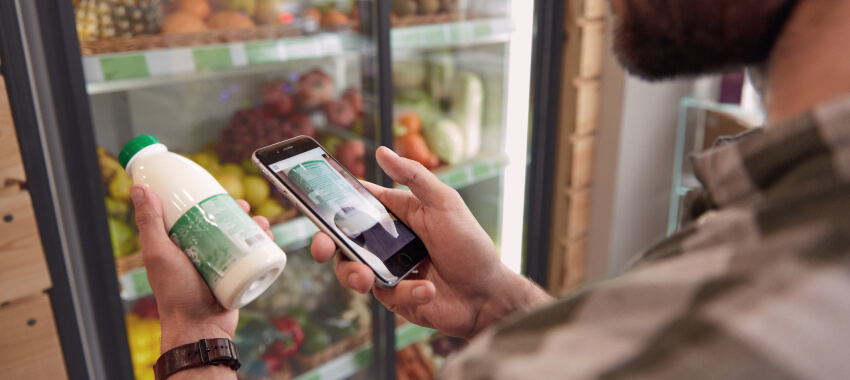
In an increasingly globalized market, smart packaging has the potential to enhance the customer experience in two key ways. First, packaging technology that incorporates intelligent elements such as sensors, QR codes and other IoT-connected digital identifiers allows customers to trace the origin and progress of products. This acts as a vanguard for authenticity and also gives manufacturers an opportunity to build awareness and trust about their brand and products.
Second, biosensors that are embedded into packaging further ensure quality and safety for food and beverage products being shipped a long way by monitoring the state of what’s inside during shipment. For example, a cold chain solution could include a sensor that monitors the interior temperature to prevent spoilage. Modified atmosphere packaging is another example of smart packaging, designed to prevent oxidation (the process that triggers spoilage) by modifying the chemical contents of the air surrounding products. By monitoring and preventing spoilage, smart food packaging minimizes waste and loss, boosting your bottom line.
The Future of Packaging: Nanotechnology
Nanotechnology is another exciting food packaging trend that’s helping to enhance food safety and quality. Most commonly, nanotechnology is being used to develop new packaging materials that will potentially prolong the shelf life of food and beverage products.
Nanoparticles are also being used in active packaging applications, such as sensors, which help to maintain freshness. Some nanoparticles act as antimicrobials, helping to protect products against the damaging effects of oxygen and UV during shipment. Organic nanoparticles such as nanostarch, cellulose nanofibers and chitosan nanoparticles also have the potential to reduce the environmental impact of the packaging industry, which generates over 30 million tons of waste each year.
How Ernest Can Help with Food Packaging Solutions
Are you a food and beverage brand looking to stay ahead of the curve when it comes to packaging design and technology? Look no further. Our team of experts has extensive experience working with industry leaders to create food packaging solutions that pop on the shelf and move the dial on sales. Let’s talk about how we can help your brand stand out from the competition and keep up with consumer demand by embracing the latest trends.